By treating plastics better, we enable the recycling of valuable


The plastic waste problem
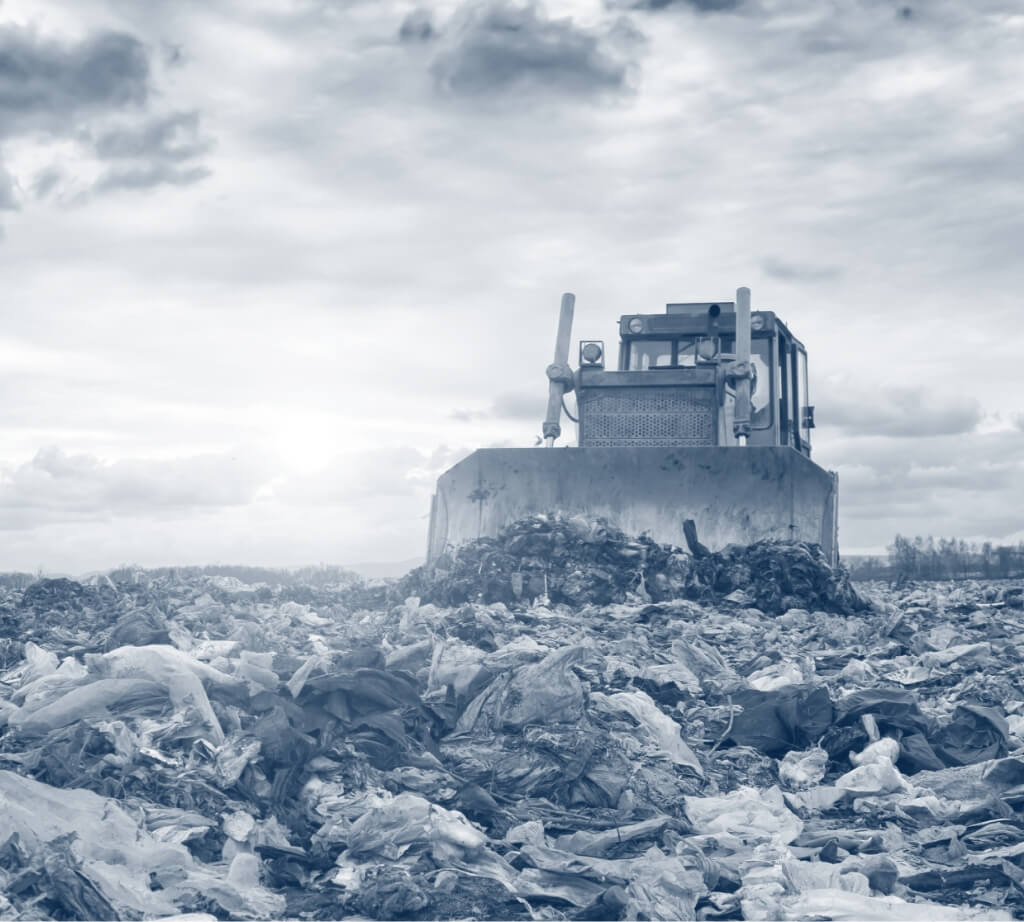
Consumer awareness around the danger of plastic pollution has drastically increased over the last few years, from the environmental damage it causes to health hazards and increased carbon emissions. This has also been the main driver in improving the capabilities and accessibility of plastic packaging recycling.
The waste treatment system necessary to curb plastic pollution and waste is not yet developed. Not even half of the amount of plastic consumed gets recycled in the UK, with this rate falling to 18% globally. As most developed nations produce and consume more waste than they can process nationally, for a long time they have relied on exporting excess waste to other, typically poorer, countries for recycling. However, this system started to crumble in 2018 when China banned imports of foreign plastic waste, leaving exporting nations with mountains of waste that their national treatment systems are unable to process.
Additionally, recyclable does not necessarily mean recycled. While dry recyclables such as plastic, paper, cardboard, metal and glass account for 38% of municipal waste globally, only 13.5% are actually recycled.
Why do we treat plastics better?
Plastic production is set to expand 30% in the next five years. This shows that plastic isn’t going away, which is why we must move towards circular economy-based alternatives.
Across multiple applications, plastic is a sustainable choice. It’s lightweight, yet strong and durable. When used for food and drink packaging, it extends shelf life and helps reduce food waste. Plastic’s carbon and water footprint are also lower than other packaging alternatives such as cardboard or glass.
The issue with plastic lies with its production and disposal. The world still predominantly relies on fossil fuels to produce virgin material. At the same time, we have failed to develop a robust and efficient enough waste treatment system to ensure plastic doesn’t end up polluting our natural environment.
At Enval, we want to change the conversation about plastic and acknowledge how it can be a valuable resource.
While we recognise the need to reduce the use of unnecessary plastic, we understand that eliminating single-use plastics could lead to unintended larger environmental damage given our current waste treatment infrastructure. An analysis by environmental firm Trucost has demonstrated that replacing plastic in consumer packaging with common alternatives would actually increase environmental costs nearly four times over.

Our vision for the future
We need a combined approach that focuses on improving waste treatment infrastructure.
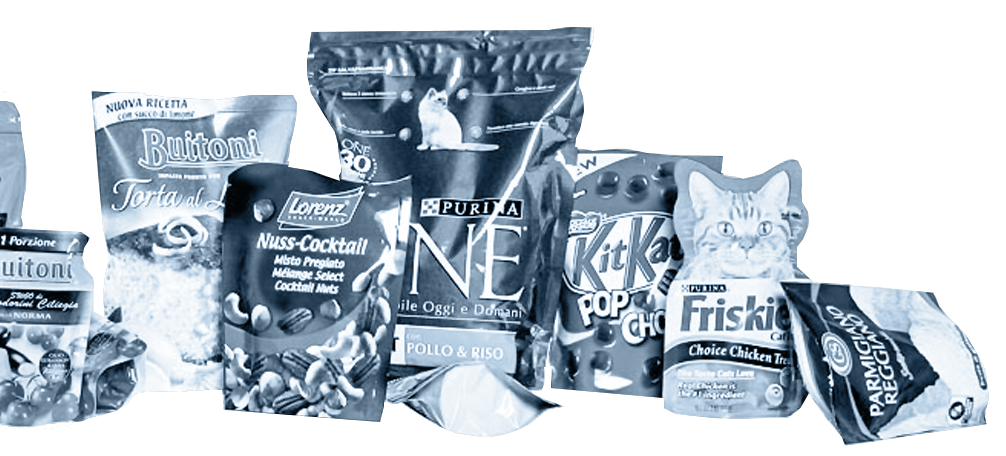
Our ecosystemIn addition to ceasing the use of unnecessary plastic packaging, we advocate for an optimised waste treatment system where mechanically recycled plastics are reprocessed and where pyrolysis and other chemical recycling methods are used to treat packaging – especially flexible plastics – that cannot be mechanically recycled.
We are the vital missing link to treating complex packaging better. Innovative solutions must go hand-in-hand with profitable business models. By transforming the waste sector from within, we plan to change the perception of plastic and unlock a strong and prosperous circular economy.