
Enval can handle assembly, installation and commissioning. Our turnkey solution includes full training to operate and maintain the equipment. Maintenance and engineering support is provided throughout the lifetime of the plant. Where required, we can also assist in identifying long term outlets for the aluminium and oils generated.
Our technology
Our pioneering technology enables the recycling of flexible packaging, including complex structures such as plastic aluminium laminates, by using a unique proprietary pyrolysis solution capable of handling low-density packaging waste. The process is clean, efficient and economical for both post-consumer and industrial waste. As a modular process, the plant can be economically operated at a variety of scales, allowing for local treatment.
How it works
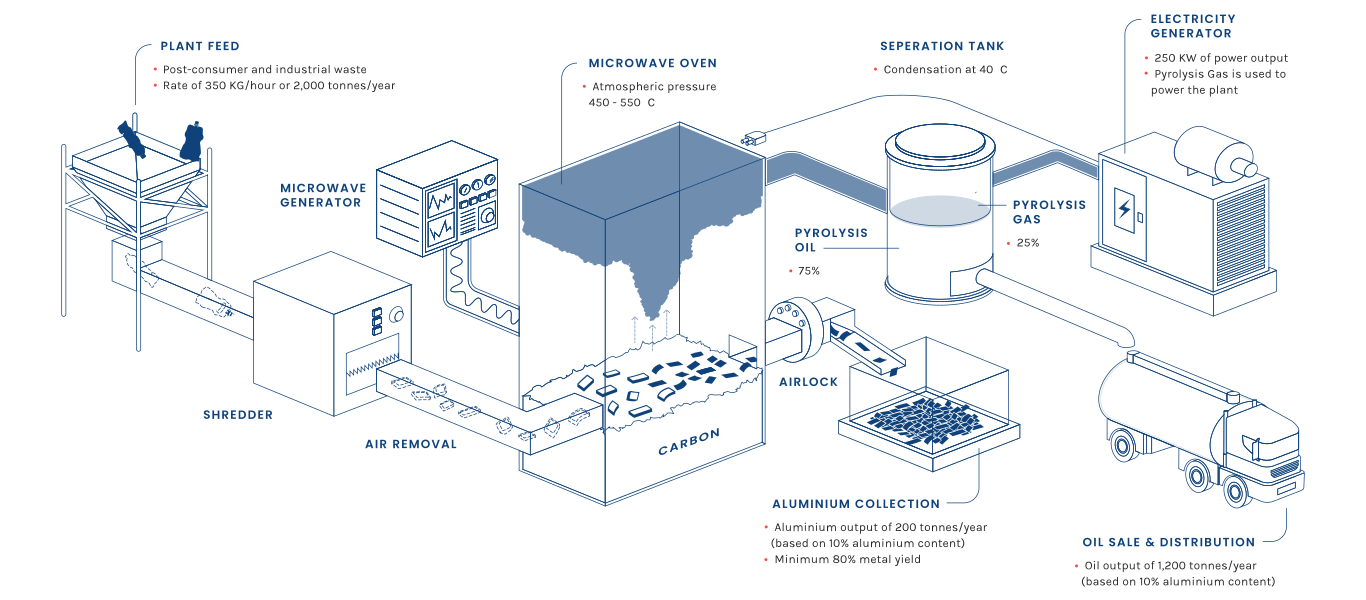
A typical Enval plant operates at a feed rate of up to 350 kg per hour, which equates to a nominal capacity of 2,000 tonnes per year. It will pay for itself within three to four years. The high efficiency and minimal emissions associated with the process mean that the plant requires minimum planning and environmental permitting.
Why is flexible packaging important?
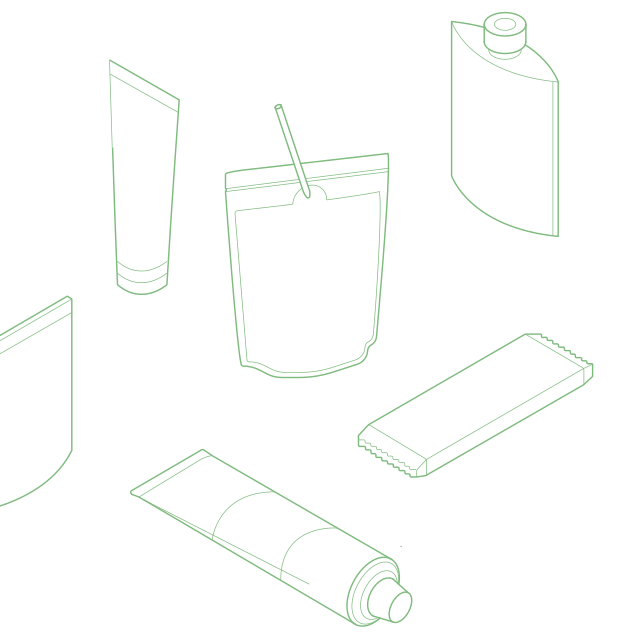
Flexible packaging can be either mono-layer or complex (multi-layer) structures The latter consists of several layers of different polymers and sometimes aluminium foil. This complexity means that these materials cannot be recycled mechanically (like PET bottles for example). However this kind of packaging is very useful as it combines lightweight, flexible properties with protection against gases such as oxygen, moisture and light.
Flexible packaging has been widely adopted by FMCG companies to reduce the ratio of product-to-pack weight, transport costs and emissions, and the weight of material that has to be disposed of after use. The use of multi-layer packaging for everyday goods such as juices, toothpaste, cosmetics and pet food has increased considerably in recent years.
What is microwave-induced pyrolysis?
Pyrolysis is a process in which organic material, such as paper or plastic, is heated and broken down in the absence of oxygen.
It is a crucial waste management tool because it allows for the disposal of industrial and post-consumer waste while producing valuable products that can be used as a chemical feedstock or to generate energy.
With microwave-induced pyrolysis, heat energy is provided by microwaves. The process can be configured to operate under mild mechanical conditions to extract fragile materials without damaging them. It is powered by electricity, eliminating the need for a chimney stack and allowing for the use of renewable sources of energy.
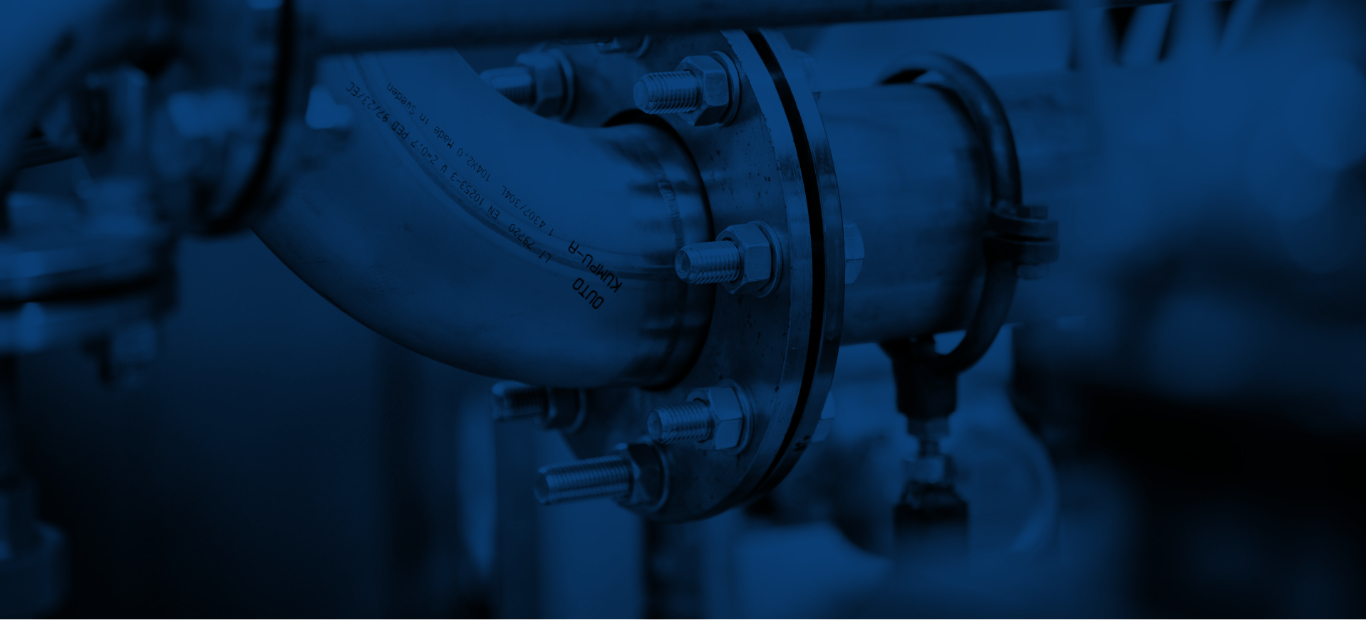
During our process, shredded flexible plastic packaging materials are mixed with carbon. When the carbon is exposed to microwaves, it reaches temperatures of up to 1000°C in just a few minutes. This heat energy is then quickly and efficiently transferred to the plastic via conduction.
The fragile aluminium foil remains undamaged during this process and can be recovered in solid form, clean and ready for reprocessing. Meanwhile, the plastic component degrades to form a mixture of hydrocarbons. This mixture is then cooled down and separated into gas and oil. The gas can be used to generate the electricity required to power the process, while the condensed oils can be sold as fuel or feedstock for speciality chemicals.
-
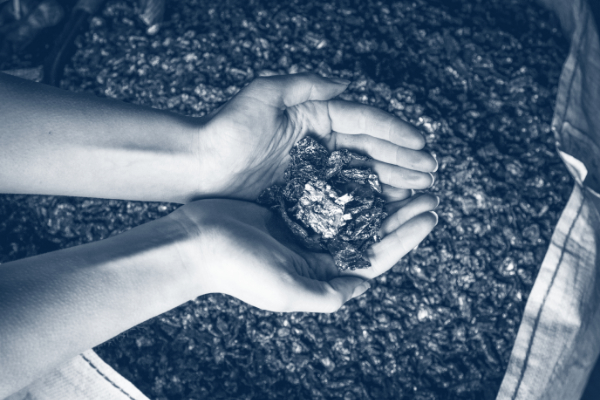
ENVAL’S LOW-CARBON ALUMINIUM
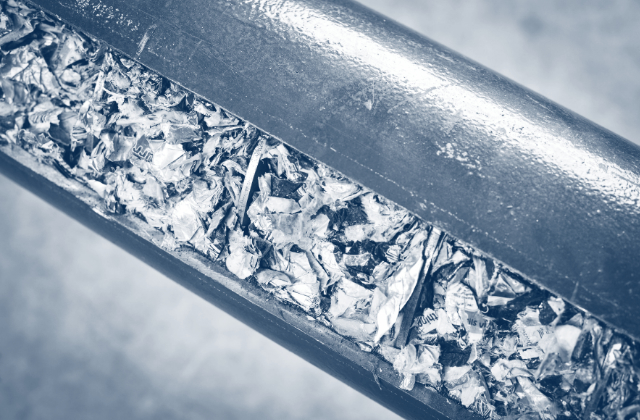
Recycling aluminium through our process leads to energy savings of up to 75%. With a purity exceeding 98% and a minimum metal yield of 80%, it can be directly reintroduced to the resmelting process. A typical Enval plant produces 200–400 tonnes of aluminium a year, depending on the feedstock.
-
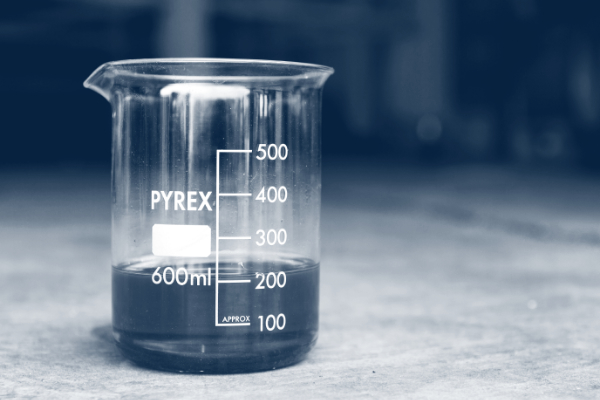
HIGH VALUE OILS
The oils generated with the Enval process comply with the requirements of the petro-chemical industry to be used as feedstock to produce new plastic, equivalent to virgin plastic and therefore suitable for food contact applications but with the added benefit of having recycled content.